
Beginning in June 2016, we sent online surveys about lower back pain to all students enrolled in our group 6-lesson Gokhale Method Foundations course. We chose the Roland-Morris Questionnaire [1], and
Get Updates on the Latest Blog Posts
I’ve been in Orissa for the past week, the last of my three-week stay in India. I'm observing village and tribal people in their everyday activities, learning what I can in a short stay, and looking for nuggets of body wisdom to bring home to my students. This visit has been a rich experience indeed! Orissa has more distinct tribes (62) than any other state in India; inland Orissa is off the tourist track and entirely new to me though I was raised and well-travelled in India.
Sharing bananas with some pottery vendors at the Kakirigumma tribal / village market.
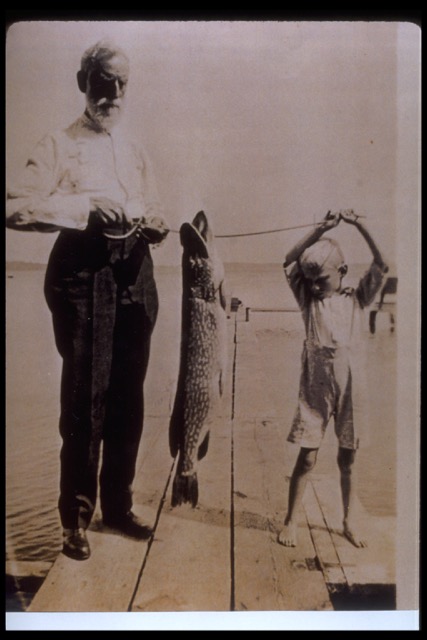
For some, Summer is a time of rest, relaxation and vacation. Unfortunately, for teens and young adults, these months are often wrought with the anxiety of life ahead: starting college, searching for a
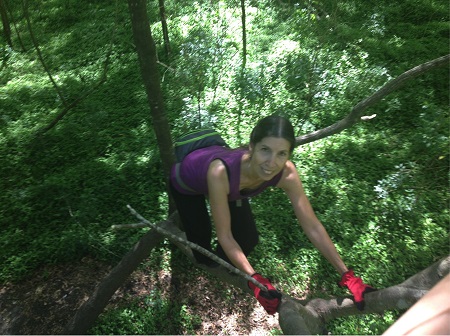
Gokhale Method Institute employee Annie Rempel sat down with teacher Kathleen Marie to listen to and document her journey with the Gokhale Method.
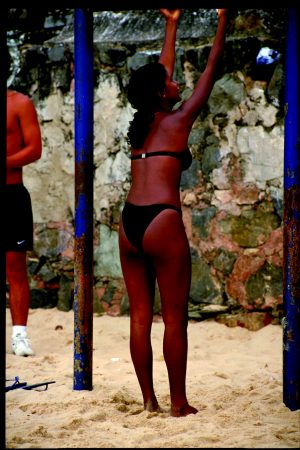
Over the years, GMF course alumni have often reported that they lost weight. Occurring too frequently to be coincidence, these testimonials have spurred me to thinking about the weight loss – posture connection. Here are some possible mechanisms:
1. After restoring their primal posture, students are out of pain, feel better, and indulge in the natural human impulse to move and go back to an active life.
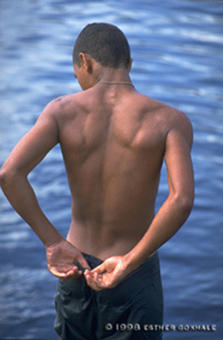
On our website, the top searches include, "glutes," "walking," and "butt." So I thought I'd take this chance to say a few words on the subject.
"Callipygian" is an English word of Greek origin. It means “of, pertaining to, or having beautiful buttocks”. The word, (pronounced kal-uh-PIDGE-ee-uhn), is derived from the Greek word “kalli” meaning beautiful, and “pyge” from the Greek word for rump or buttock.
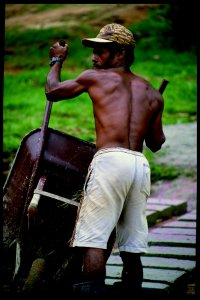
Spring brings renewal. All around us the earth is alive with the sounds and smells of new life. As the weather grows more inviting, your yard and garden may be calling. For many people, gardening and outdoor work are favorite pastimes, yet the fear of back pain can be inhibiting. Let the Gokhale Method help you to thrive alongside your plants!
When planting flowers and digging in the dirt, use hip hinging to save your knees and lower back. Maintain your spinal shape as you bend from the hips. Take a wider stance to reach the ground more easily. When you feel your hamstrings pulling, bend your knees to keep from tucking. Check to see that your knees track over your feet and that your shoulders remain back for good blood flow to your arms and hands. Try resting one elbow or forearm on your thigh as the other hand performs your gardening tasks to reduce the demand on the muscles in your back.
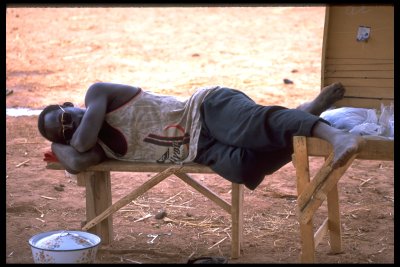
I’ve had lying on my mind lately. I mean flat out, horizontal, no holds barred, delicious, snooze-inducing lying down. It’s not talked about much in the debate whether we should sit, stand, or treadmill our way to better lives. But I say, hey, lying is where it’s at when you are tired, when you need a break, when you need a rest.
My son Nathan knows this quite well. When he Skypes with us, he is usually in his bed, covers pulled up high, computer set on the covers. He works lying, surfs lying, thinks about algorithms lying down.
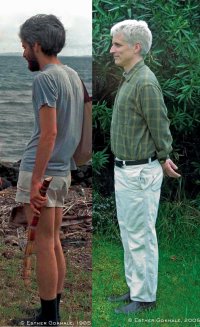
The holiday season has arrived, and with it, the formidable holiday party. If, like most people, your back starts aching after an hour (or less!) at the hors d'ouevres table, consider this advice for your next yuletide function:
1. Put your weight over your heels. When we balance the weight of our bodies towards our toes, it can disturb the alignment of our weight-bearing joints. The dense and sturdy heel bone is much better equipped to bear weight than the delicate bones of the forefoot.