

If you have had back pain, odds are that you have visited either a physical therapist or a chiropractor. They are the most frequented medical practitioners for all types of structural pain, and our teacher community has been enriched by both these (and many other types of) practitioners. For this post, I have invited Vera Baziuk, a chiropractor and Gokhale Method® teacher based in Edmonton, Canada, to join me for a Q&A. We would like to share with you how she sees the interface between chiropractic and our method.
Get Updates on the Latest Blog Posts
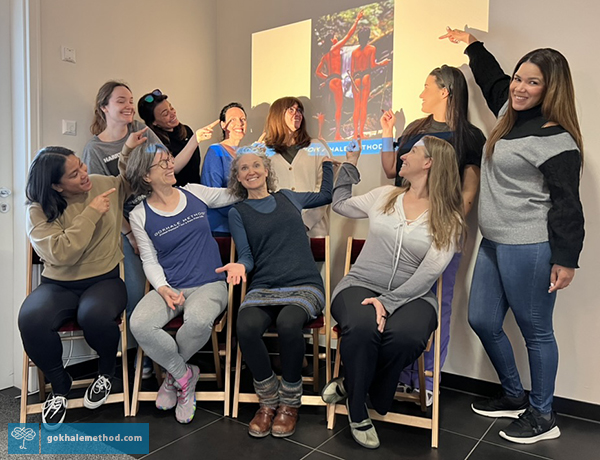
Next time you are in the dentist chair, spare a thought for your dentist’s posture and the postural demands of their job. Doing dental procedures shares many challenges with other surgical procedures, such as having to maintain a steady position for long periods, maintain a clear line of vision, and hold and manipulate tools with precision. Working in the oral cavity of a conscious patient is a pretty significant challenge.
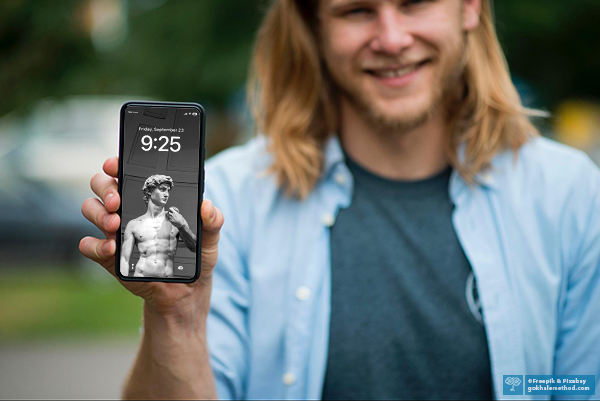
Yes, you read that correctly. Not only do you not need to damage your neck every time you use your cell phone, but instead, you could be improving it!
Most of us use our cell phones quite frequently. If you train yourself to adopt a healthy stance every time you use your phone, you will have a built-in posture practice that repeats throughout your day.
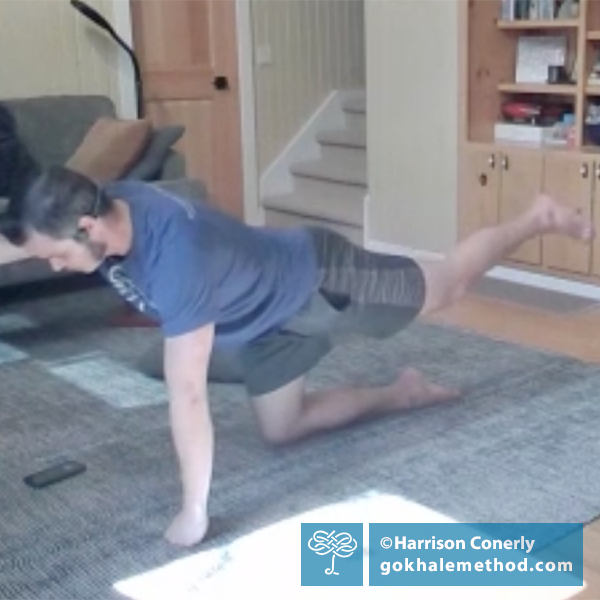
Have you been taught cobra pose or locust pose to strengthen your back? It is a common practice to try to strengthen the back with back bends, focusing on the long back extensors on either side of the spine. This approach is used by the McKenzie Method, many yoga teachers, and physical therapists.
In the Gokhale Method® we prefer to strengthen the back by working with the muscles which collectively stabilize the trunk. Our focus is on maintaining a healthy J-spine baseline rather than backbending.
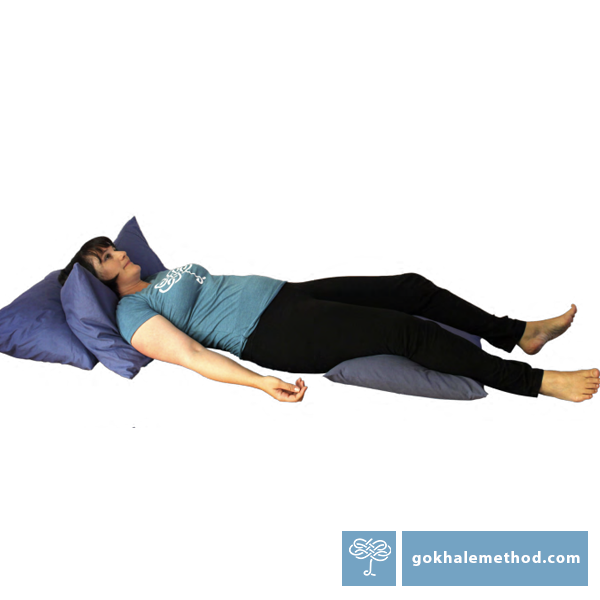
You’ve tweaked your back. It may be a stabbing pain that catches with certain movements, it may be that you cannot straighten up, or maybe it’s an electrical, nervy sensation in your buttock.

It is not uncommon for students to show up at our courses aware they have lost several inches of height since their youth. In our culture it is a widely held expectation that you grow up, and then, at some point in later life, start getting shorter again. We all see friends, neighbors, or family members who are on the downward run of this trajectory, and it is virtually common lore that you will “shrink” or stoop in later years.
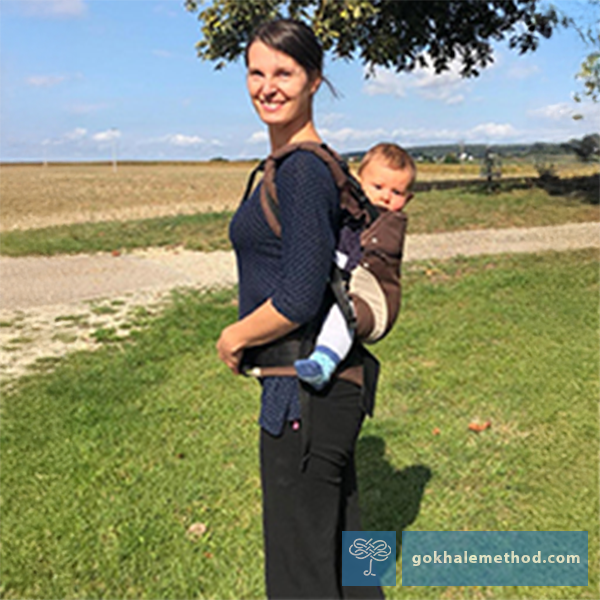
As we approach International Women’s Day on March 8, I would like to share a few observations regarding gender and health made over the past three decades of teaching posture.
Does gender affect back pain?
Back pain and the posture distortions behind it are very democratic—people of all ages, activity levels, geographic locations, and gender are affected by cultural postural distortions. That said, some modern posture guidelines and expectations are gender-specific, and some of them affect women disproportionately. We will discuss posture guidelines for men another time. In this post, I’d like to address some of the messaging that is relentlessly addressed towards women and girls, and the consequences of this messaging.
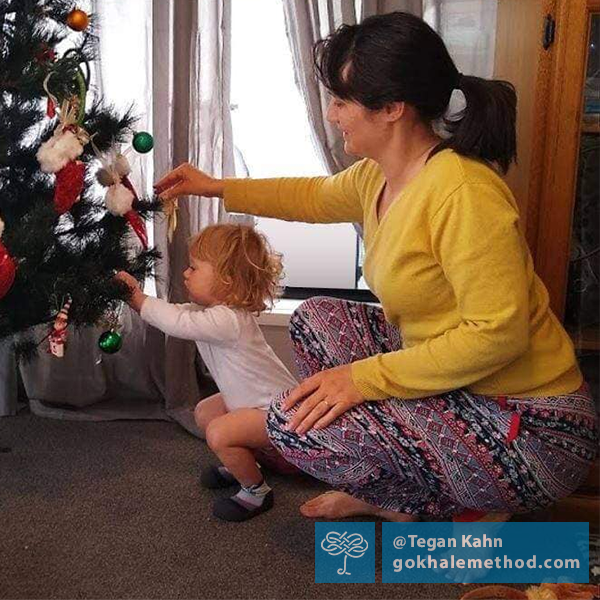
Since the pandemic we are delighted to have resumed teacher training and welcomed ***** to the Gokhale Method teacher community in Europe and the US. We are also steadily growing our roots in the Southern Hemisphere. Below, Australia-based Teacher Tegan Kahn shares the story of how and why she decided to train.

It’s early January. New Year’s resolutions are swinging into action, and many of them involve improving our health. With the impetus of a fresh start we throw ourselves into ditching poor habits and cultivating better ones. It’s no surprise that January sees the highest gym sign-ups and enrollments for dietary regimens! Other resolutions include getting more sleep, meditating, or learning a new skill—self-care for the mind as well as the body.