
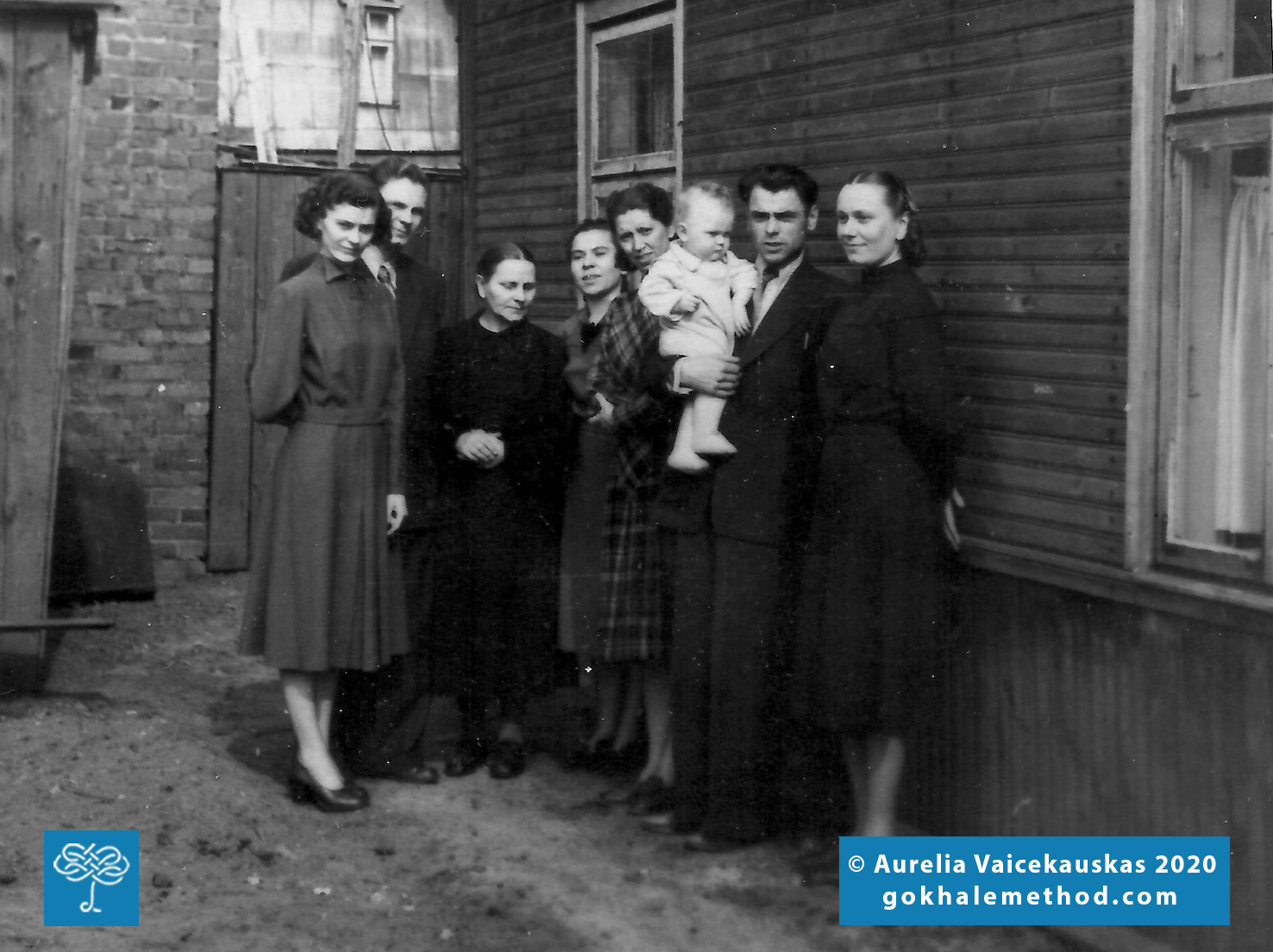
Everyone in this 1957 photograph reflects effortless elegance and poise. Their shoulders rest toward the back of their torsos, and their necks and backs are elongated. My mom and dad are on the left.
Despite recent complaints of leg and knee pain at night, my mom resisted Gokhale Method instruction. At 95 years old, she said she was too old to change.
However, I could see that certain activities increased her pain. In the end, she consented to instruction — and subsequently reported diminished leg pain and increased stability in walking.
Glidewalking: Sitting’s Long-Lost Counterpart
Mother and son in a tribal Orissan village demonstrating excellent walking form. Notice that their heels remain on the floor well into their stride.
Do you have tight psoas muscles? Do you suspect the cause is too much time spent sitting in your daily life? There’s a complementary activity that helps counterbalance the time we spend sitting: walking — or, more specifically, glidewalking. Glidewalking helps balance our sitting in numerous ways — walking is dynamic versus sitting which is static. Yang balances Yin, viewed in the framework of traditional Chinese medicine. One underappreciated way in which walking can balance sitting pertains to the psoas muscle.
The psoas muscle originates on
"I Found I Could Defeat Sciatica:" Norm's Story
Photo courtesy Norman Crawford.
Norm, a hydrologic analyst and author now 82 years of age, originally hails from Alberta, Canada. When Norm was 16 years old, he accepted a summer job in Lake Louise (also known as Lake of the Little Fishes by the local Stoney Nakoda people), a location in the Canadian Rockies so known for its rugged beauty that it is frequently included on lists of “Wonders of the World.” This breathtaking landscape formed the backdrop for Norm’s lifelong love affair with the outdoors. Decades later, Norm still speaks of Lake Louise with understated reverence.
Lake Louise, Alberta, Canada, where Norm first fell in love with hiking. Photo courtesy Kevin Noble on Unsplash.
These
Posture and Weight Loss
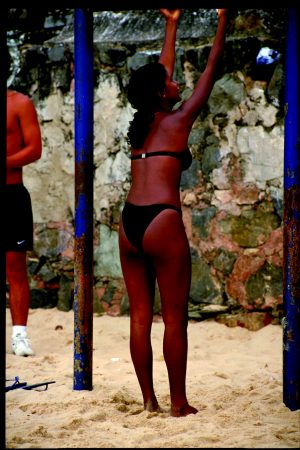
Over the years, GMF course alumni have often reported that they lost weight. Occurring too frequently to be coincidence, these testimonials have spurred me to thinking about the weight loss – posture connection. Here are some possible mechanisms:
1. After restoring their primal posture, students are out of pain, feel better, and indulge in the natural human impulse to move and go back to an active life.
Gorgeous Glutes
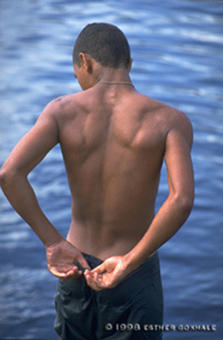
On our website, the top searches include, "glutes," "walking," and "butt." So I thought I'd take this chance to say a few words on the subject.
"Callipygian" is an English word of Greek origin. It means “of, pertaining to, or having beautiful buttocks”. The word, (pronounced kal-uh-PIDGE-ee-uhn), is derived from the Greek word “kalli” meaning beautiful, and “pyge” from the Greek word for rump or buttock.
Six Tips for Springtime Gardening
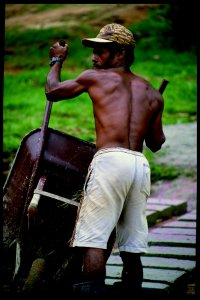
Spring brings renewal. All around us the earth is alive with the sounds and smells of new life. As the weather grows more inviting, your yard and garden may be calling. For many people, gardening and outdoor work are favorite pastimes, yet the fear of back pain can be inhibiting. Let the Gokhale Method help you to thrive alongside your plants!
When planting flowers and digging in the dirt, use hip hinging to save your knees and lower back. Maintain your spinal shape as you bend from the hips. Take a wider stance to reach the ground more easily. When you feel your hamstrings pulling, bend your knees to keep from tucking. Check to see that your knees track over your feet and that your shoulders remain back for good blood flow to your arms and hands. Try resting one elbow or forearm on your thigh as the other hand performs your gardening tasks to reduce the demand on the muscles in your back.
gluteal muscles
first class w/Esther; it makes sense! I watched the DVD, stretchsitting and glidewalking... it seems that I have a problem with engaging the gluteus muscle, particularly on the left side (where my pain is)... and with the coordination of squeezing/tightening the muscles with the steps...
i've started the stretchsitting since I've got the book, last Saturday... am I fooling myself, or truly my back pain is subsiding... looking at the pictures Esther took today, I wonder if my hunch/hump will ever diminish...