
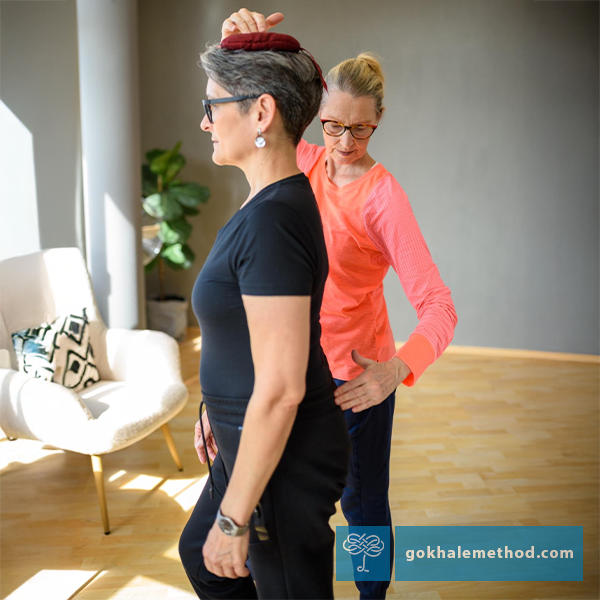
Over the decades that our students have gotten out of pain by learning the Gokhale Method®, it has become clear that healthy glutes are essential in this. Well-functioning glutes hold the key to unlocking many poor postural habits, and contribute to better biomechanics and movement. Good glute function will often solve pain and enable healing in apparently unconnected areas of the body. Let’s take a look at some of the common, and sometimes surprising, aches and pains that respond to our glute training…
This Valentine’s Day, Walk with Your Heart…

Some years ago I had a student who had difficulty engaging his glutes and leaving his back heel down while walking. I had guided him through my usual toolbox of techniques and principles, but this piece still stubbornly failed to land. All of a sudden something dawned on him, and he exclaimed, “Oh, it’s a jaunty walk!” and proceeded to do exactly what I had been trying to teach him with an additional spring in his step.
Wake Up Your Glutes, They Snooze, You Lose
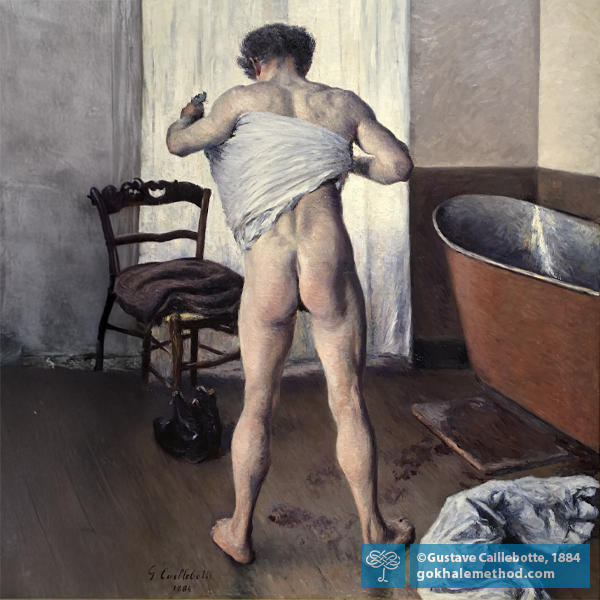
In surveys of what people find physically attractive in a partner, a shapely butt is often highly rated. Perhaps it’s no surprise, but if you want, there are even apps to help! So, are good-looking glutes all about sex appeal and filling out our clothing in a flattering fashion? While these concerns may be valid, it is also true that well-toned glutes have many other, profound, but less widely recognized attributes.
This blog post takes a look at the bigger picture of glute function. You may be surprised to find out just how much your glutes can contribute to healthy posture and a pain-free body.
How to Get and Keep Strong, Flexible, Pain-free Ankles.
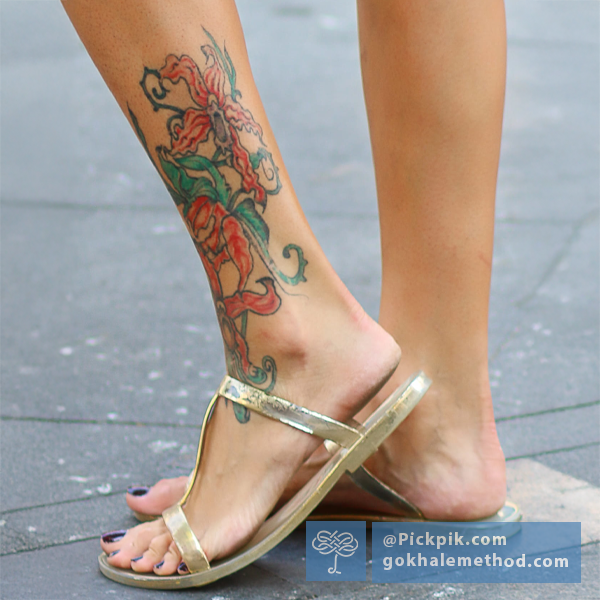
We have long ago ditched any Victorian shyness around showing our ankles, thank goodness. In fact, they have become a fashionable part of the body to celebrate with short pants and an ornamental tattoo. But unfortunately for our ankles, the picture is often not so rosy as the years go by…
Freedom from Pain This July 4
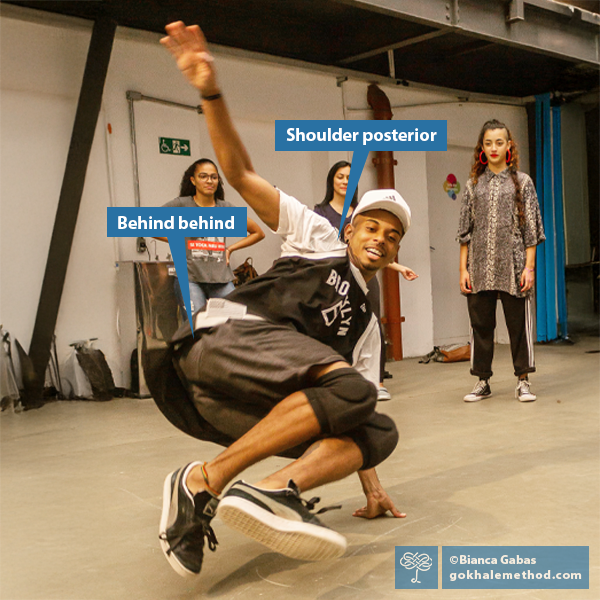
Today, those of us in the U.S. celebrate our nationhood. On July 4, 1776, the Declaration of Independence announced colonial freedom from Great Britain; our history has included the winning of many more freedoms since. In various and sometimes contradictory ways, our society continues to defend much cherished freedoms, and also to aspire to new levels of freedom.
Dentists and Neck Pain
Next time you are in the dentist chair, spare a thought for your dentist’s posture and the postural demands of their job. Doing dental procedures shares many challenges with other surgical procedures, such as having to maintain a steady position for long periods, maintain a clear line of vision, and hold and manipulate tools with precision. Working in the oral cavity of a conscious patient is a pretty significant challenge.
Fixing Plantar Fasciitis
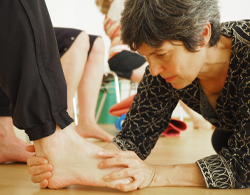
Why is it not a routine practice for podiatrists to observe their plantar fasciitis patients’ stance and gait? Let’s consider how a broader approach that considers the way people stand and walk could improve treatment outcomes for plantar fasciitis patients—and also help prevent recurrences.
Ronald Katz’s Gokhale (Gō-clay) Method® Success Story

Before I settle in to recount my back pain story, let me fetch my Gokhale Pain-Free™Chair. This is the chair I now use for all my writing, and that’s important, as I am an author of mystery short stories, and spend many hours composing at my desk. Pain-free, I’m now glad to say.
Glidewalking Deep Dive
Yesterday was midwinter day in the northern hemisphere. For many of us, this time of year means colder, shorter days, and a time when outdoor activities and social get-togethers can be more limited.
Get out walking
One thing we can do whatever the season is to get out on foot. Walking, done well, can significantly boost our circulation, burn calories, keep us warm, and assist our digestion—especially useful after rich and large festive meals! A good walk will also fill our lungs with fresh air and can boost our immune system to fight off winter bugs.
Such exercise, especially in nature, is known to lift our mood. We can enjoy the company of friends and family—or go solo for some peace and introspection, as fits. All these potential benefits and more are summed up in the Latin phrase, Solvitur Ambulando, which translates as “walking solves everything.”¹
Gliderunning: Part 2: Meet Your Feet
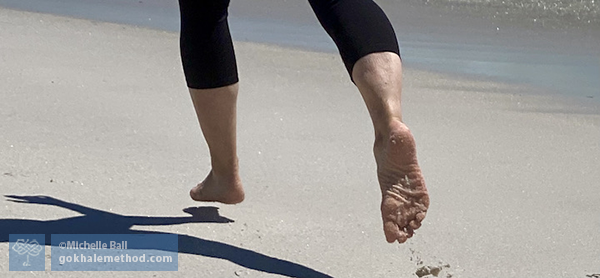
Welcome to the second blog post in our series on running. This series is designed to be useful to beginners and would-be beginners, as well as seasoned runners and everyone in between. If you missed Part 1, you can catch up here.
Reactivate your feet
When it comes to advice about running, the feet often get overlooked as the subject immediately turns to shoes. While shoes are an important subject (spoiler alert! Part 3 is about shoes), I prefer to start with that miracle of bioengineering that actually does the work—your feet.
Our feet become very passive from walking on flat, featureless surfaces rather than natural, more undulating terrain. They are also constrained, misshapen and deconditioned by less-than-ideal footwear, which, sadly, includes many running shoes on the market.