
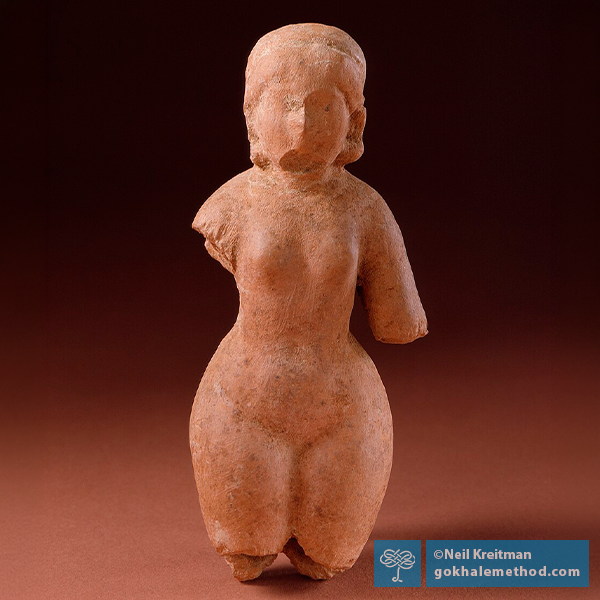
Over the years, aside from improvements in pain levels and posture, I’ve witnessed many students experience unexpected health transformations—improved digestion, relief from painful periods, the end of incontinence worries. Once we understand what is happening structurally inside a tucked pelvis, this actually makes sense.
Unlocking Olympic-Level Health: The Power of Downtime Training®
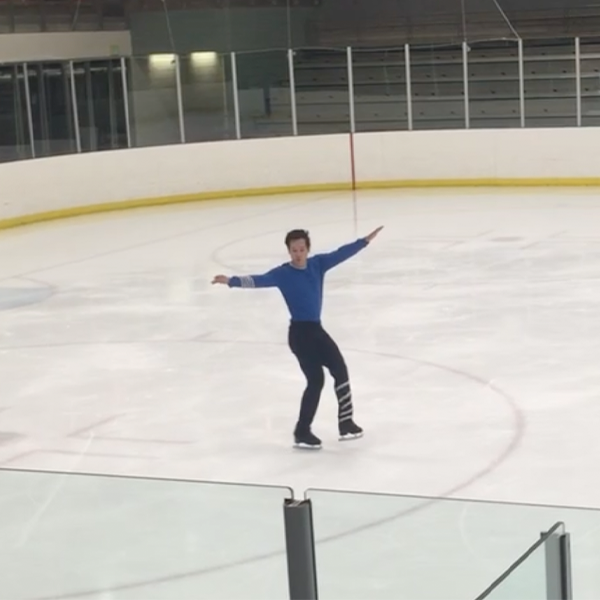
As the world tunes in to the Winter Olympics in Milano Cortina from February 6–22, we’ll marvel at skiers flying downhill, skaters carving ice, and athletes who’ve trained for years to make a few minutes look effortless. We know about the grueling workouts—in the gym, on the track, on the snow. What we rarely consider are the thousands of quiet hours in between: how these athletes sit, walk, stand, and recover when they’re not officially training or competing.
Wake Up Your Glutes, They Snooze, You Lose
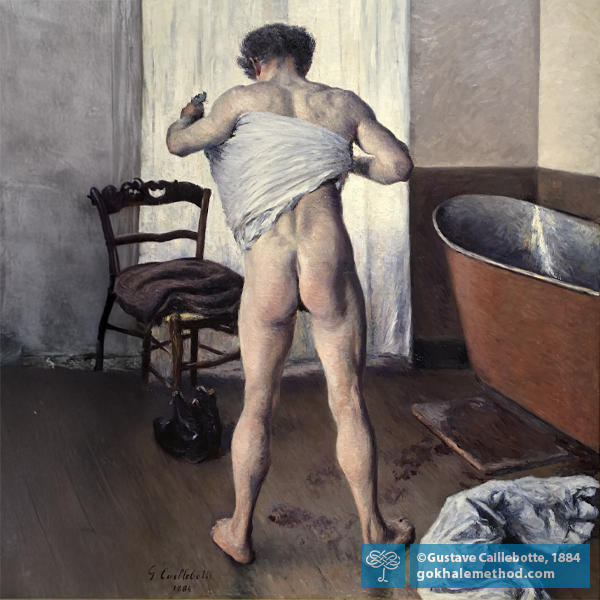
In surveys of what people find physically attractive in a partner, a shapely butt is often highly rated. Perhaps it’s no surprise, but if you want, there are even apps to help! So, are good-looking glutes all about sex appeal and filling out our clothing in a flattering fashion? While these concerns may be valid, it is also true that well-toned glutes have many other, profound, but less widely recognized attributes.
This blog post takes a look at the bigger picture of glute function. You may be surprised to find out just how much your glutes can contribute to healthy posture and a pain-free body.
What’s the Best Exercise to Strengthen Your Back? Part 1: Bird Dog
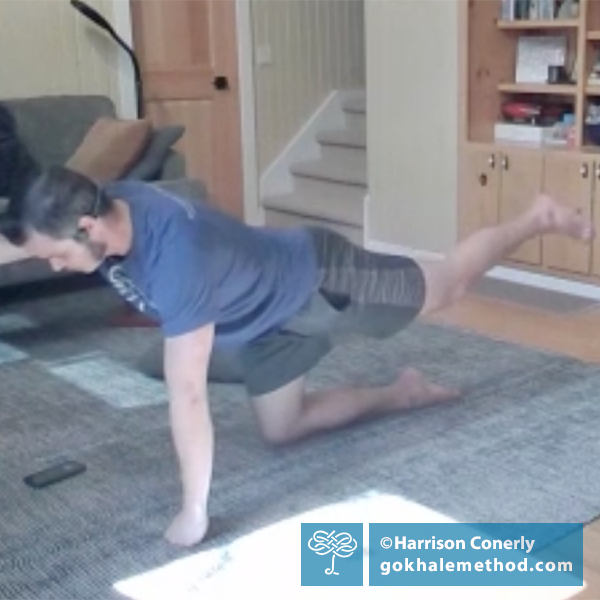
Have you been taught cobra pose or locust pose to strengthen your back? It is a common practice to try to strengthen the back with back bends, focusing on the long back extensors on either side of the spine. This approach is used by the McKenzie Method, many yoga teachers, and physical therapists.
In the Gokhale Method® we prefer to strengthen the back by working with the muscles which collectively stabilize the trunk. Our focus is on maintaining a healthy J-spine baseline rather than backbending.
Getter Taller as You Age!

It is not uncommon for students to show up at our courses aware they have lost several inches of height since their youth. In our culture it is a widely held expectation that you grow up, and then, at some point in later life, start getting shorter again. We all see friends, neighbors, or family members who are on the downward run of this trajectory, and it is virtually common lore that you will “shrink” or stoop in later years.
Women’s Empowerment Through Posture
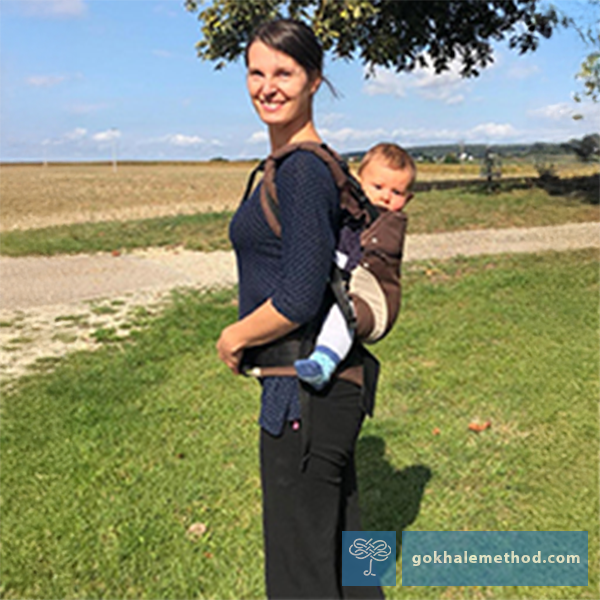
As we approach International Women’s Day on March 8, I would like to share a few observations regarding gender and health made over the past three decades of teaching posture.
Does gender affect back pain?
Back pain and the posture distortions behind it are very democratic—people of all ages, activity levels, geographic locations, and gender are affected by cultural postural distortions. That said, some modern posture guidelines and expectations are gender-specific, and some of them affect women disproportionately. We will discuss posture guidelines for men another time. In this post, I’d like to address some of the messaging that is relentlessly addressed towards women and girls, and the consequences of this messaging.
Clare’s Gokhale Method® Success Story

In January and February this year I took the Gokhale Method Elements course, which consists of 18 brief (13 minute) but potent lessons. I would like to share my experience of the Gokhale Method with you in this blog post.
My goals were to find out how to sit, stand, and walk well, so that I don’t overstress the scoliotic parts of my back. I was also in search of more comfortable and beneficial sleeping positions. I felt I needed guidance to help me develop a better sense of my body posture and alignment. To be able to do a one-on-one course online made this possible for me.
It was only when I saw the difference between my “Before” and “After” pictures that I realized just how much change it was possible to make to my posture in such a relatively short period.
“It Takes a Village” for Healthy Posture
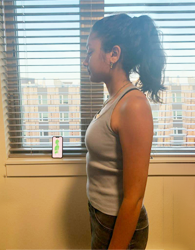
The phrase “it takes a village to raise a child” is thought to originate from an ancient African proverb.
As I have grown into being a parent, uncle, and beyond, I have realized that this quote extends to any age. I have directly experienced this with my own posture journey—my own family “village” has helped me and others dear to me find a near pain-free life through the Gokhale Method®.
My Story: Annoying Body Pains Were Affecting My Fun In Life
In my late thirties, a stream of inflammatory pains permeated my body, including back pain, shoulder pain, knee pain, and—worst of all—plantar fasciitis in my foot. While these weren't absolutely crippling pains, they were painful enough to keep me from enjoying life as I gave up my favorite hobbies—tennis, golf, and playing the piano.
I visited numerous renowned doctors in California. They genuinely tried to help, but nothing resolved my pain. So I began searching for other solutions.
The Key Find: Esther’s book, 8 Steps to a Pain-Free Back
In 2012 I bought Esther’s book, 8 Steps to a Pain-Free Back, as it was highly recommended on Amazon.
Positive Self-Talk for Positive Outcomes

We’re a month into the New Year—and that has me thinking about what helps us to keep going and succeed with our New Year's resolutions. Including our posture and exercise goals.
One thing that I have found works well for me, and for my students, is to choose my words carefully.
Choosing words with care
The words we use can be extremely powerful. They can shift your mindset from negative to positive. We may not even realize that we have disadvantaged ourselves with a mental framework of negative words and phrases until we gain a fresh perspective. These frameworks can go back so many years we have mistaken them for a permanent part of ourselves.
Some of our self-talk goes back to our childhood. Our parents of course do their best for us, but parenting in our culture is often an isolated, poorly supported, and arduous journey. Parents’ anxieties, prejudices, and even best intentions are often embedded in negative language and unwittingly passed on to us. Over the years I have seen how many students have internalized their parents' criticism. I encourage students to let this go. It’s a disservice to yourself.
Five Posture Tips to Power Your Cycling
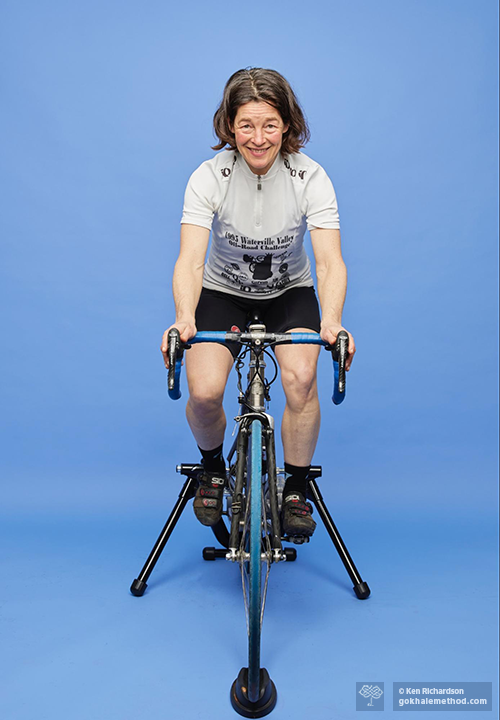
This is Part 3 of a three-post series on cycling with healthy posture by Gokhale Method teacher and longtime cyclist Tiffany Mann. Read Part 1 and Part 2 here.
Spring has arrived, and perhaps like many people, you want to spend more time on your bike! Maybe you’re already an avid cyclist looking for some tips to make cycling more comfortable and sustainable for years to come; or you’ve taken a break and are ready to step back on the pedals. Perhaps you just want to get up those hills!
Even if you are a beginner, it is so satisfying and pleasurable to use your own muscle power to propel yourself on this simple machine; but it is still well worth looking at how to use your energy as economically as possible. Cycling doesn’t have to be superhard work, and you can benefit your posture at the same time.