

We’re a month into the New Year—and that has me thinking about what helps us to keep going and succeed with our New Year's resolutions. Including our posture and exercise goals.
One thing that I have found works well for me, and for my students, is to choose my words carefully.
Choosing words with care
The words we use can be extremely powerful. They can shift your mindset from negative to positive. We may not even realize that we have disadvantaged ourselves with a mental framework of negative words and phrases until we gain a fresh perspective. These frameworks can go back so many years we have mistaken them for a permanent part of ourselves.
Some of our self-talk goes back to our childhood. Our parents of course do their best for us, but parenting in our culture is often an isolated, poorly supported, and arduous journey. Parents’ anxieties, prejudices, and even best intentions are often embedded in negative language and unwittingly passed on to us. Over the years I have seen how many students have internalized their parents' criticism. I encourage students to let this go. It’s a disservice to yourself.
The New Year 3 x 3 Fitness Challenge: Strength without Strain
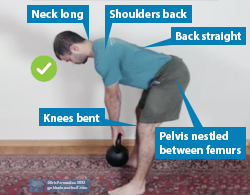
We’re here to help with your New Year’s fitness resolution. Join us for a FREE 10-day New Year 3 x 3 Fitness Challenge, which is offered as part of the Gokhale Exercise program. It will be fun, safe, and effective, enabling you to build your strength without strain and injury, because, all the while, you are also training for healthy posture!
How to Climb Stairs Part 1: Onward and Upward
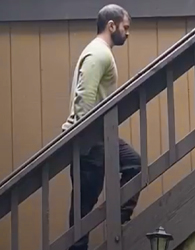
Few of us, wheelchair users excepted, pass a day without climbing steps or stairs. Students often ask if posture has any bearing on how best to do this—and the answer is yes! Our approach to pain-free, healthy posture works precisely because it helps you with all your daily activities. This blog post is the first of several containing introductory tips for using steps and stairs. We will focus here on how to power yourself upward.
Steps and stairs—the benefits
If you are looking to maintain or improve your cardio fitness and lower body strength, climbing steps and stairs will check that box. For example, this could be opting for the stairs rather than the elevator at work.
Balanced Walking in Older Age

We assume in our culture that aging will necessarily be accompanied by a loss of height, increasingly stooped posture, loss of muscle strength, and a precarious inability to balance. But is this really the inevitable trajectory? Here we look at why this occurs and focus on how a healthy gait can help us maintain good balance throughout life, including into old age.
Walking sticks and poles help prevent falls but are poor compensation for loss
of natural stability and balance from the feet and buttocks. Unsplash
Falls can have fatal consequences for the elderly, potentially resulting in broken bones and a cascade of problems that can ensue from hospitalization, injury, surgery, and immobility.
How Joan Baez Got Her Booty Back at Age 79
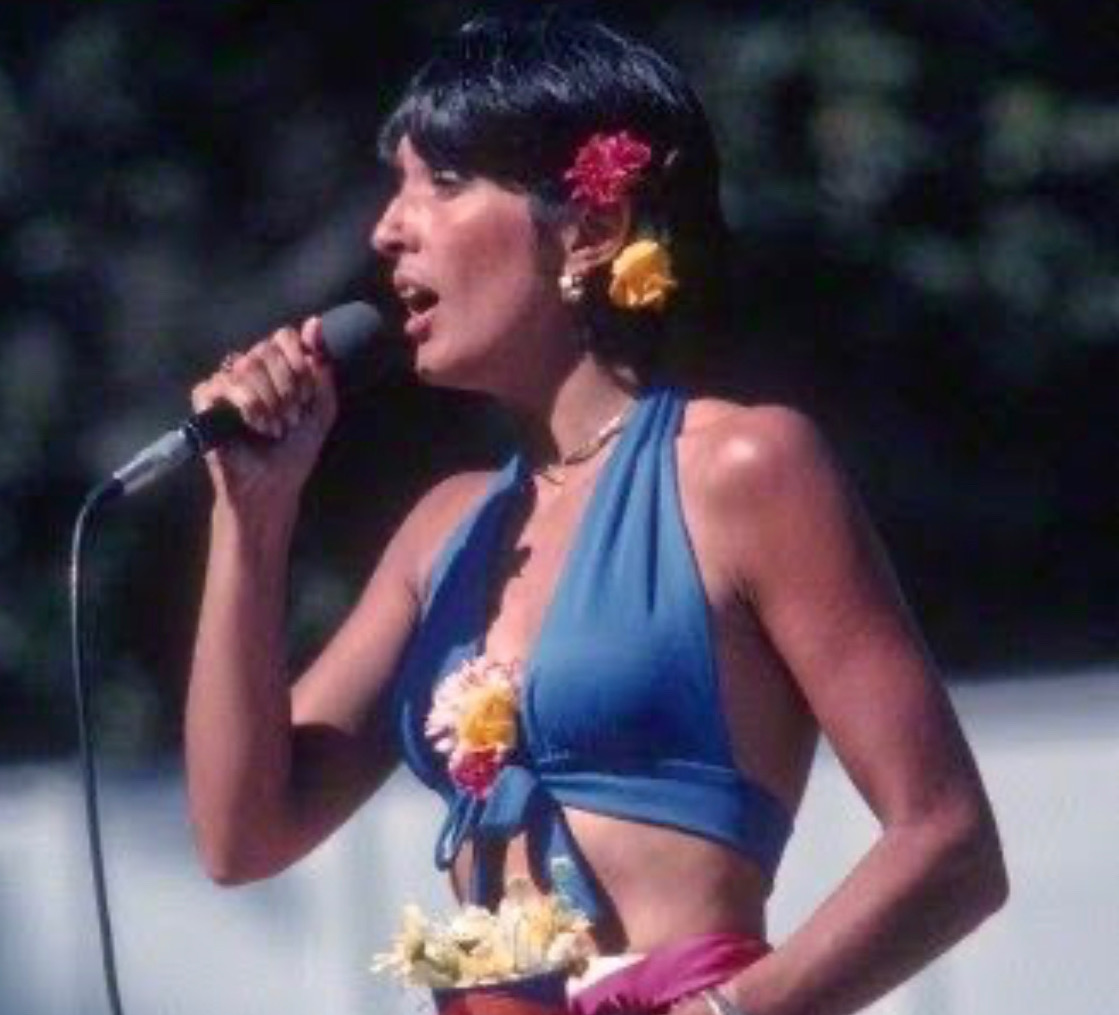
If you’ve been participating in our ongoing Posture 1-2-3 Challenge for alumni, chances are you’ve seen my longtime student, Joan Baez, who regularly joins in. At age 79, she’s sturdy and beautiful, with shapely legs, toned arms, and a peachy, perky butt. Although we’ve all enjoyed her bodacious pipes for many decades, she hasn’t always been such a well-rounded posture student. In her 20s and 30s, her boombox was highly functional, but her booty was lacking. Learn how a posture upgrade helped Joan develop her glutes, and how you can develop yours, too -- regardless of age!
Gorgeous Glutes
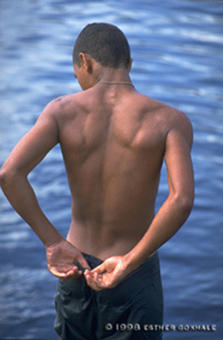
On our website, the top searches include, "glutes," "walking," and "butt." So I thought I'd take this chance to say a few words on the subject.
"Callipygian" is an English word of Greek origin. It means “of, pertaining to, or having beautiful buttocks”. The word, (pronounced kal-uh-PIDGE-ee-uhn), is derived from the Greek word “kalli” meaning beautiful, and “pyge” from the Greek word for rump or buttock.