
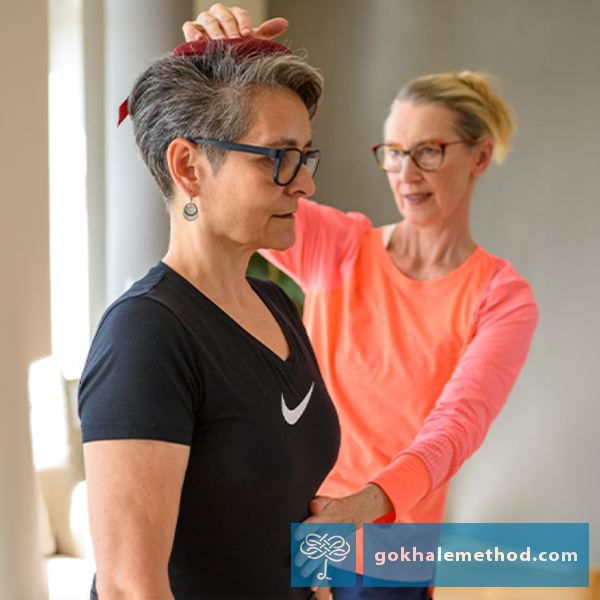
For more than 15 years, Clare Chapman has been a beloved Gokhale Method teacher, helping students restore comfort, confidence, and resilience in their bodies. As Clare enters a new chapter of life and returns more fully to her lifelong love of art, she has kindly shared these reflections on her journey with the Gokhale Method.
Get Updates on the Latest Blog Posts
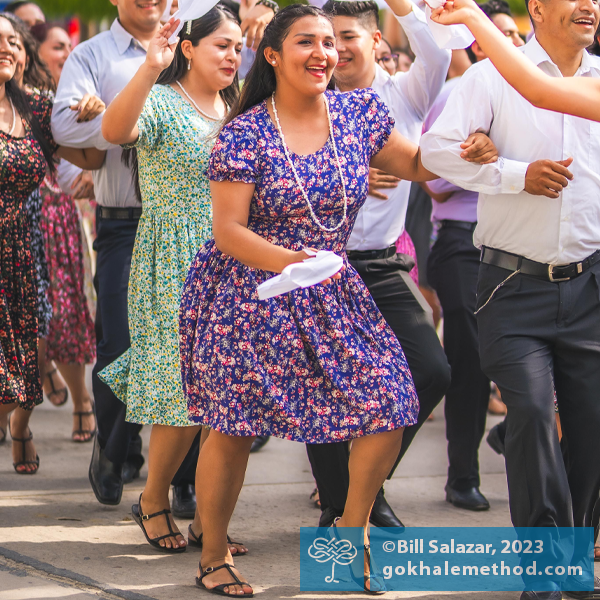
In my last blog post, we explored what happens inside the body with a chronically tucked pelvis — the compression of organs, the overburdened pelvic floor, and the cascade of health consequences. Today I’m asking: why is healthy pelvic movement an integral part of some cultures and not others? And how can you get back in touch with your natural range of movement?
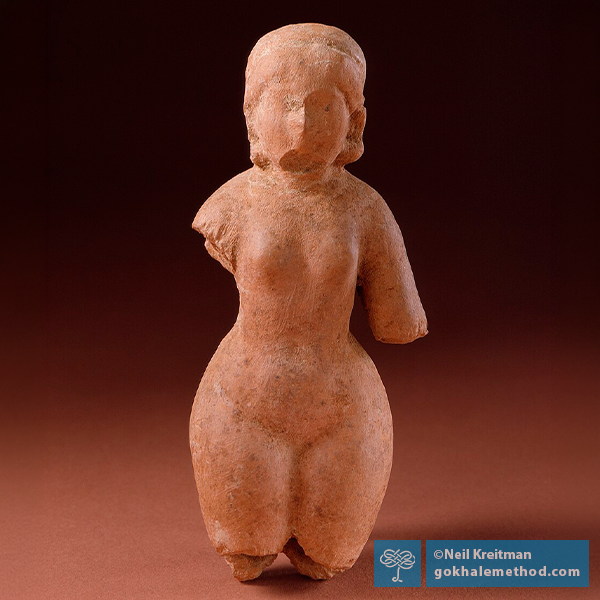
Over the years, aside from improvements in pain levels and posture, I’ve witnessed many students experience unexpected health transformations—improved digestion, relief from painful periods, the end of incontinence worries. Once we understand what is happening structurally inside a tucked pelvis, this actually makes sense.
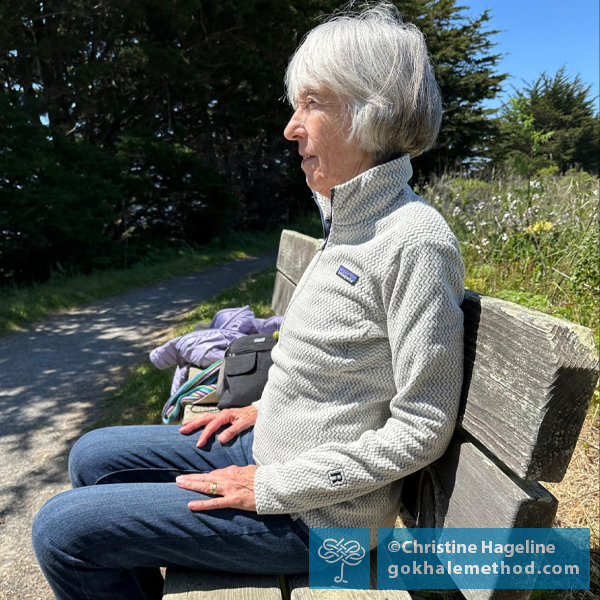
Let me introduce myself
I’m Christine, and I live in a retirement community. We have an average age of 78, and I’m almost there! In the community I see so many issues with walking and mobility. For example, I’ve been in a hiking group with the same friends for about 15 years, and we've aged together. I’ve seen them go through an increasing number of procedures for knee replacements, hip replacements, back surgeries. When I then started to have some issues in my knee with arthritis, I thought… I don't want that.
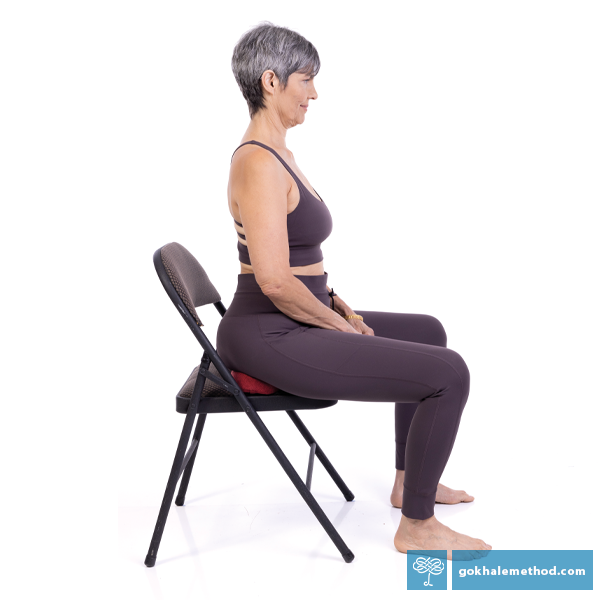
This Posture Awareness Month, I’m sharing two techniques to help you experience upright ease when sitting without a back rest. For many students, learning that you can be both upright and relaxed is something of a revelation. Most of us associate good posture with stiffness, and relaxation with slouching. Yet the body is designed for a third option: upright ease.
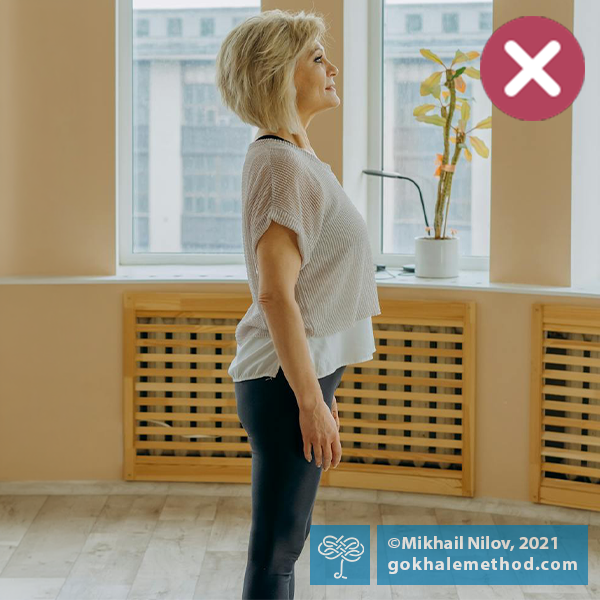
May is Posture Awareness Month. This gives us a fine opportunity to check in with how we hold ourselves. Of course it’s important to understand what good posture is, something that is shockingly lacking in modern times. Once we understand healthy posture conceptually, awareness and checking in can do wonders for our health and vigor.
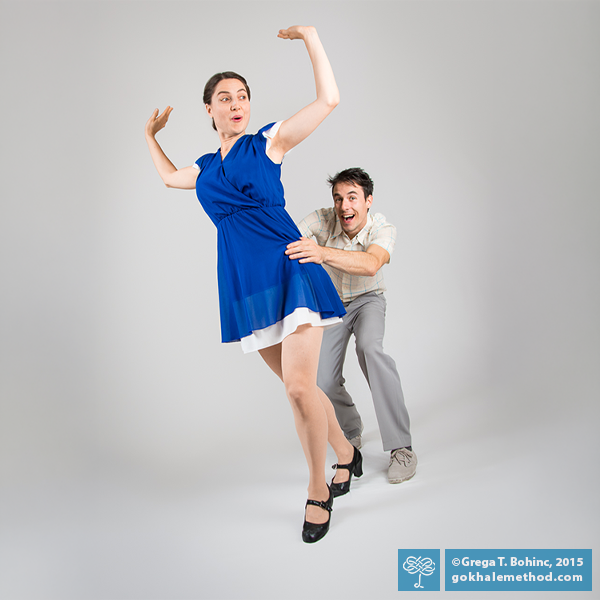
Esther Gokhale explains the many proven benefits of dance for physical and mental health, and how it delivers much needed healthy posture reminders.
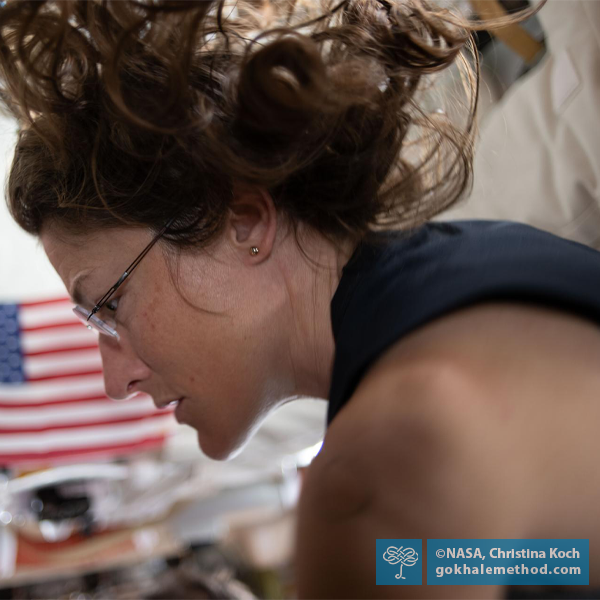
Esther Gokhale writes on what astronauts’ weightlessness reveals about bone density, spinal health, and how to care for your spine here on Earth.
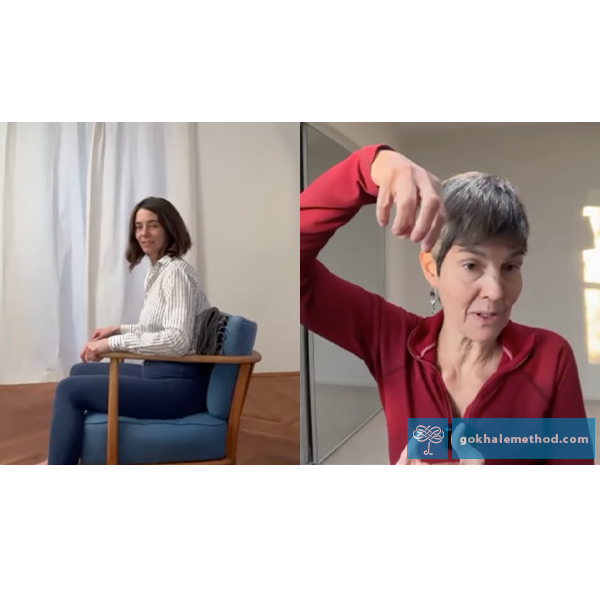
Esther Gokhale shows the benefits of stretchsitting to wellness and yoga host Lizzie Lasater in a clip from their YouTube video, Is Sitting Aging You?