
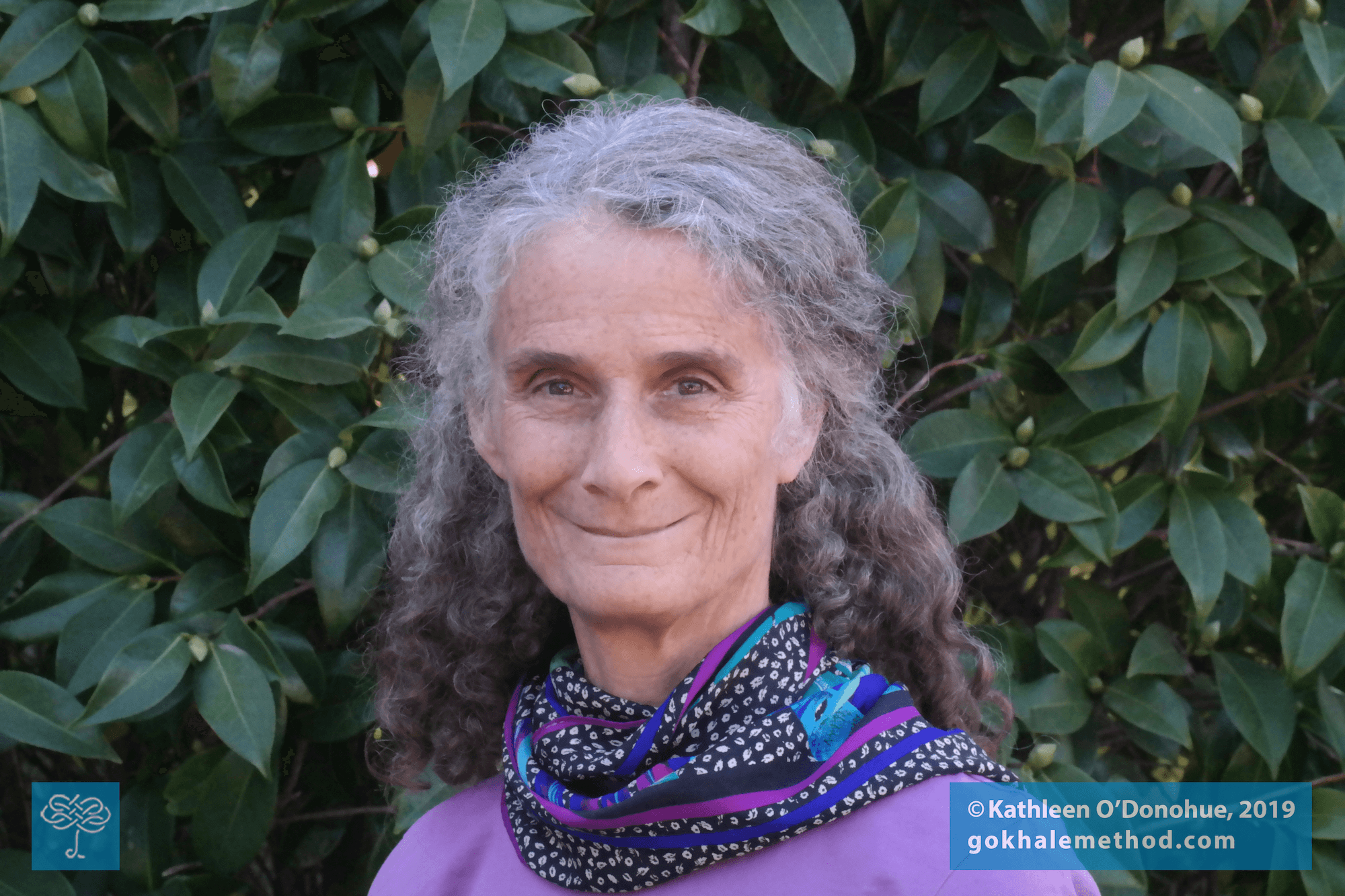
Who knew that learning to walk well could change the course of one’s life — even in one’s 60s? I was inspired to teach the Gokhale Method after experiencing welcome relief from chronic hip pain by learning how to glidewalk. My hip had bothered me since a miles-long walk in my late 20s though it wasn’t severe until later on. While in my early 30s, I had experienced back spasms requiring bed rest, with spasms and back pain for at least 6 weeks. Fast forward to the day I picked up that fateful Gokhale Method flyer in my mom’s doctor’s office, when I was in my 60s. I guessed that Esther’s book would educate me as well as the folks I worked with, but I had no idea that the Gokhale Method would change my life.
Marrying Tradition with Modernity: Sarees and Posture
Aarani silk from Tamil Nadu, Southern India. Aarani, a small town, weaves only silk sarees in 3-plied or 2-plied yarns, making it a lighter silk to wear. The first national flag of independent India hoisted at the Red Fort is rumored to have been woven in Aarani. Stacksitting helps showcase the saree in its full glory.
People who know me well have come to associate me with my posture work, my love for sarees — the traditional Indian unstitched garment — and my frequent travel owing to my management consulting work. This is an accurate perception: I love all these things.
Bhujodi cotton from Gujarat, Western India. Made in a small town near Bhuj, this Khadi fabric is fully made of organic