
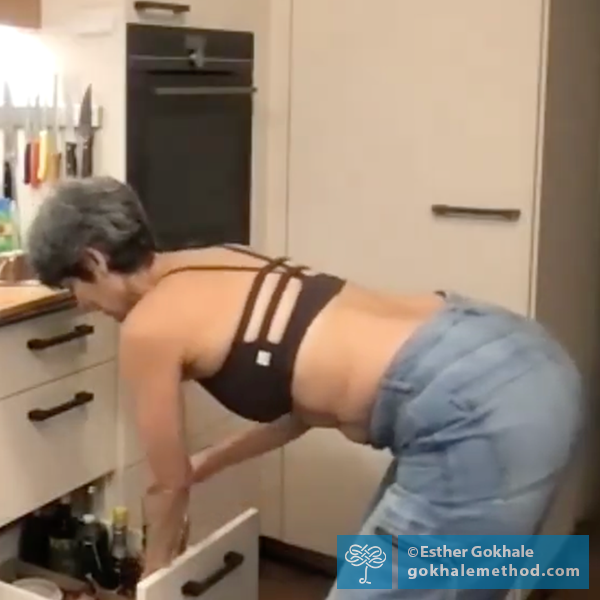
Think about all the things that happen in your kitchen. You're orchestrating ingredients—chopping, dicing, grating, sautéing, steaming, roasting. You're wielding an impressive array of gadgets: grinders, mixers, air fryers, microwaves, dishwashers, ovens. You're navigating spaces from floor-level drawers to overhead cupboards, hoisting grocery bags, cantilevering heavy pots, and balancing precarious stacks of dishes.
There's one essential component we don’t think about much—until it starts complaining. Our own body.
Unlocking Olympic-Level Health: The Power of Downtime Training®
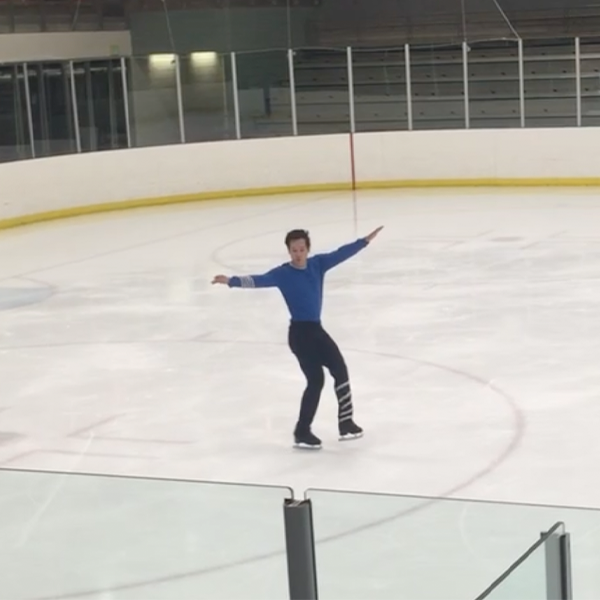
As the world tunes in to the Winter Olympics in Milano Cortina from February 6–22, we’ll marvel at skiers flying downhill, skaters carving ice, and athletes who’ve trained for years to make a few minutes look effortless. We know about the grueling workouts—in the gym, on the track, on the snow. What we rarely consider are the thousands of quiet hours in between: how these athletes sit, walk, stand, and recover when they’re not officially training or competing.
From Back Fracture and Knee Surgery, to Rafting and Hiking

Rob Buirgy reached out having sustained a multiple fragment compression fracture of his T12 vertebra (in the middle of the back). Despite being in a body brace afterwards, having already followed the Gokhale Method for a couple of years, Rob’s instinct told him that our method would be able to help him regain an active life. More recently, he has also fully recovered from a whole knee replacement. In this blog post he explains how healthy posture set him up for success…
—Esther Gokhale