
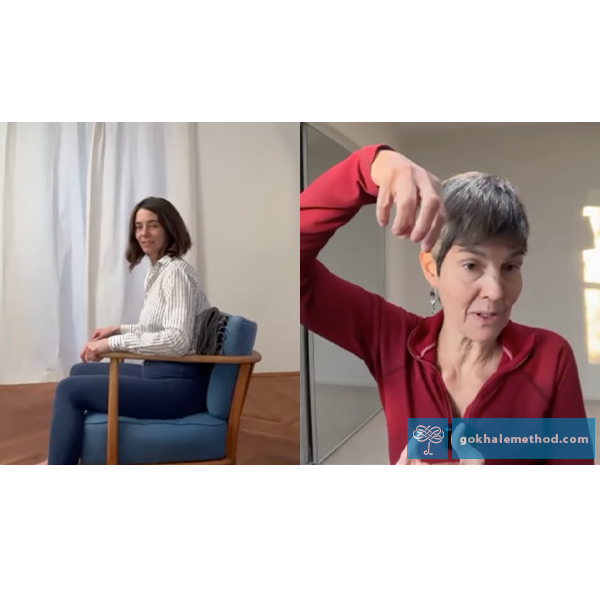
Esther Gokhale shows the benefits of stretchsitting to wellness and yoga host Lizzie Lasater in a clip from their YouTube video, Is Sitting Aging You?
Posture Tips for Meditators
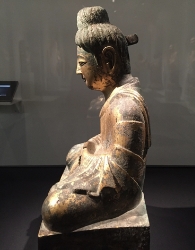
It has been over 60 years since Eastern schools of meditation became widely known in the U.S. and Europe, and meditation became widely practiced, with over 14% of Americans having meditated at least once. If we include those practicing mindfulness techniques, using meditation apps, and attending yoga classes with a meditation component, this figure goes far higher.
The effects of sitting in meditation
The potential benefits of meditation are well known, and include a calmer, clearer mind, lower levels of stress, better sleep, improved relationships with others, and better mental health.
From a posture perspective, whether you sit in meditation regularly or are just getting started, you want the experience to be as healthy for your body as it is for your mind.
The New Year 3 x 3 Fitness Challenge: Strength without Strain
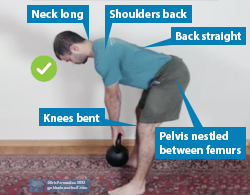
We’re here to help with your New Year’s fitness resolution. Join us for a FREE 10-day New Year 3 x 3 Fitness Challenge, which is offered as part of the Gokhale Exercise program. It will be fun, safe, and effective, enabling you to build your strength without strain and injury, because, all the while, you are also training for healthy posture!
How Not To Do Yoga
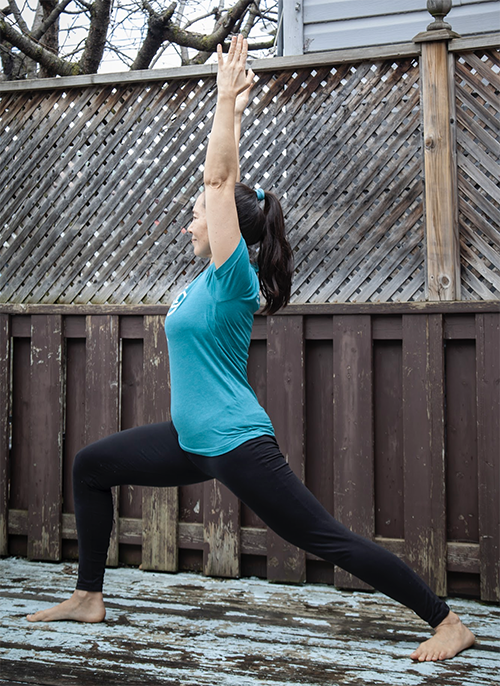
This blog post explains how some common yoga injuries occur and how applying the principles of healthy posture to yoga postures replaces this scenario with movements that are good for your body.
Yoga postures and back pain
Growing up in Mumbai, India, my Dutch mother was a student of BKS Iyengar and the Satyananda yogis, and keen for me also to learn yoga asanas, or postures. I practiced, and, being reasonably athletic as a child and already trained in Indian classical dance (Bharata Natyam), did not find it particularly difficult to choreograph the back bends, forward bends, and twists that were asked of me. I became a yoga model, demonstrating postures alongside visiting swamis’ presentations to induce the audience to sign up for upcoming yoga courses.
Why Keep the Body forward in Warrior I Pose?
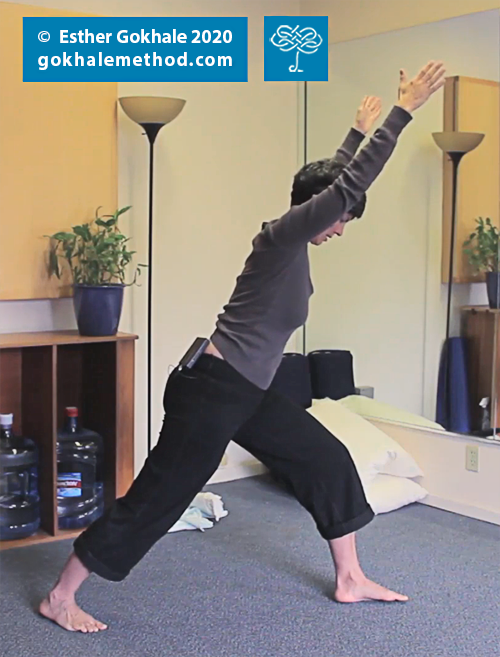
A general tenet of the Gokhale Method approach is that micro-level adjustments can lead to macro-level results. Like the world we live in, the human body is a complex, interconnected system. So it is not surprising that attainable tweaks in how we use our bodies can have beneficial effects on our function and well-being.
Yoga is no different. If you have an established yoga practice, you’ve probably discovered for yourself that small adjustments are not so small in the aggregate! Learn the specifics of why I make this particular adjustment to Warrior I Pose (Virabhadrasana I) in my latest blog post.
My Favorite Exercises for When You Can't Visit the Gym, Part 1: Chair Pose
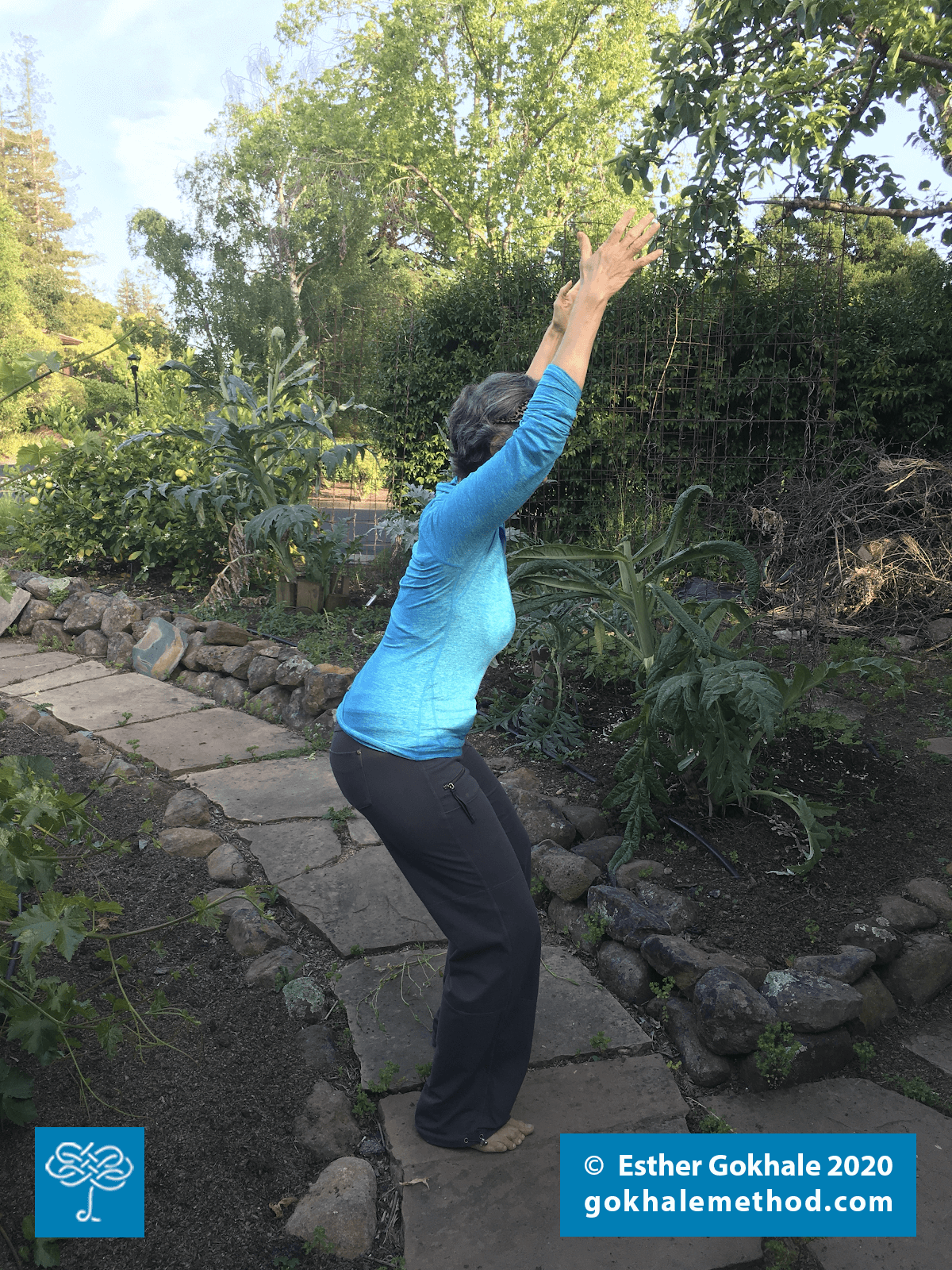
Whether you are on the road, in a campground, or just stuck at home during quarantine, you can always exercise. I’ve been dancing since I was a young child, so I have a very strong bias for dance as a way of exercising, but I also like to change it up with other types of exercise. It turns out that we have a lot of options, even when we can’t access the gym. Chair Pose (Utkatasana in Sanskrit) is a great example of an at-home, equipment-free exercise which can strengthen a variety of muscles in very little time. You don’t have to spend forever and a day in Chair Pose to reap its benefits. This makes it a perfect fit for our busy lives.
Cultivating a J-Spine with Chair Pose (Utkatasana)
As a student and teacher of yoga and practitioner of the Gokhale Method, I choose yoga poses that make good use of my time. “Chair pose” is well worth the time investment. In fact, it has become one of my favorite strength-building postures. It is useful for cultivating a J-shaped spine. It helps increase gluteal tone. It helps to pattern healthy hip movement. It is strengthening for the legs and spinal stabilizers. And, last but not least, it allows a yoga practitioner to smoothly transition between a standing forward fold and mountain pose — without compression of the intervertebral discs.
Cecily Frederick in chair pose with J-spine visible, overlaid with SpineTracker™ snapshot.
Detail of
Opening Your Heart Space
This bronze figure shows an open chest and “heart space;” his shoulders are well back and his ribcage is anchored. He is part of a fountain in Piccadilly Circus, London, sculpted by Sir Alfred Gilbert in 1893. Referred to (erroneously) as “Eros,” the figure is in fact Anteros, Eros’ brother, who represents a more mature, less capricious love. Original image courtesy Gareth Williams under CC BY 2.0.
“Heart space” is a term used in yoga to describe the upper part of the chest where the heart is located. Valentine’s Day is an ideal time to give some special attention to this region, and explore its relation to your posture and wellbeing.
The Gokhale Method teaches four particular techniques
Upgrade Your Downward-Facing Dog with the Gokhale Method and SpineTracker™
Studying and teaching yoga has been part of my life for several years. However, after learning the Gokhale Method, I approached the well-known yoga posture “downward-facing dog” (Adho Mukha Svanasana) in a new way.
Hip-hinging with my even spinal groove visible — GOOD! Image courtesy Cecily Frederick.
In the Gokhale Method Foundations Course, I learned how to hip-hinge and keep my spine from flexing when bending. I wanted to maintain about the same spinal shape in my “downward-facing dog” pose as I had learned when hip-hinging. This spinal shape, with an even spinal groove from the lower to the upper back, meant that my intervertebral discs, nerve roots and spinal ligaments would be protected